Get ready.
Help assemble workshop information and preparation materials, coordinate session details and send invitations.
The automation behind your workshop
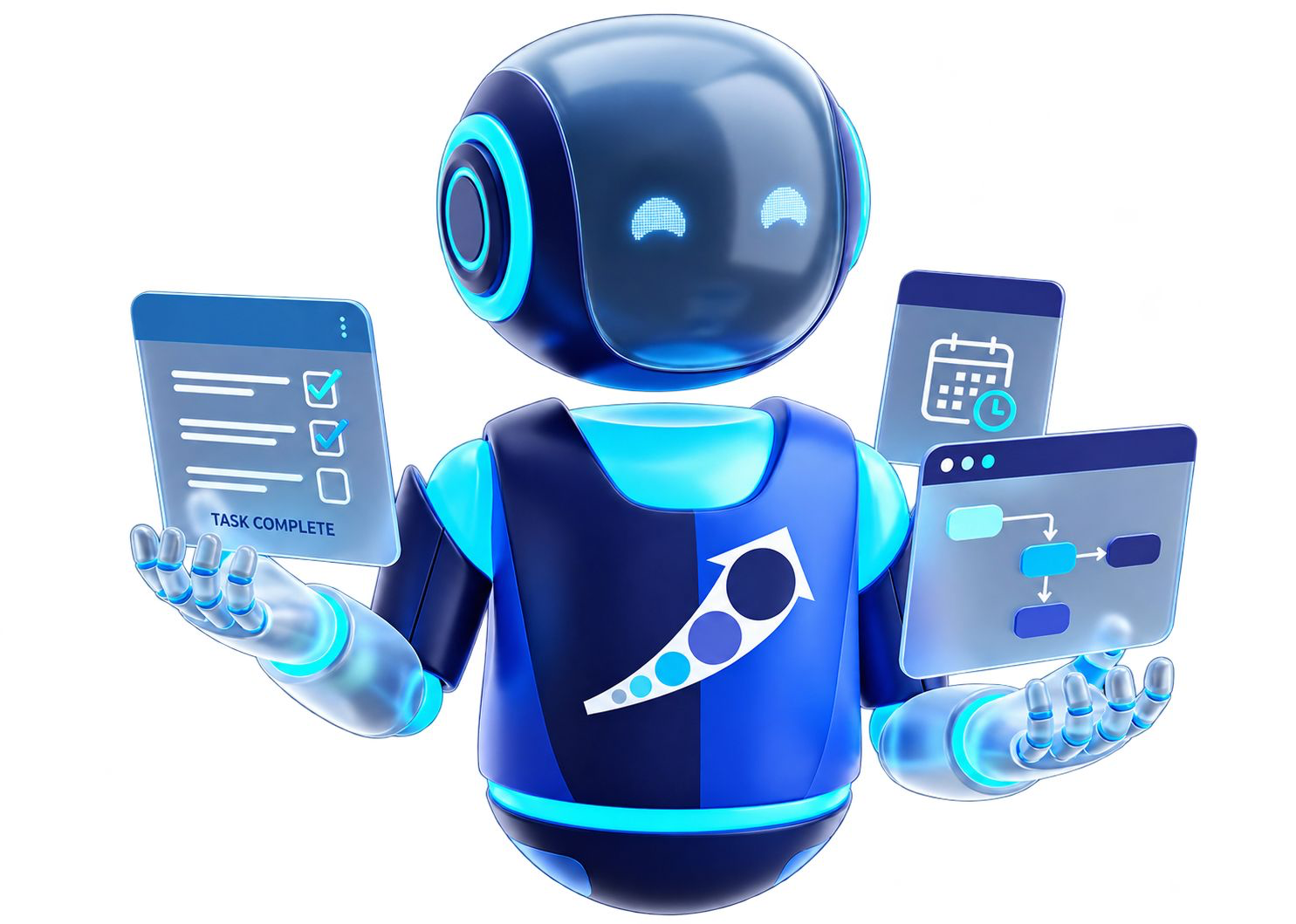
I’m TIP’s automation agent. If you’ve received a workshop invitation, reminder or follow-up from me, I’m helping the team keep the practical details on track.
The TIP team is behind the service. If something looks wrong, you need to change a detail or you’d like to speak to a person, contact info@incrementalpathway.com.
What I help with
Help assemble workshop information and preparation materials, coordinate session details and send invitations.
Send reminders, bring information together and help the team keep track of what needs attention.
Help with follow-up communications, first drafts and routine coordination so the people leading the work can focus on insight and action.
Otto is also a small example of product thinking: a service with users, a purpose and an experience to improve. The important question is whether it helps someone get something done.
How we coach this in ADVANCED PLUS →ADVANCED PLUS / Product thinking in practice
Otto, TIP’s workshop automation, is a simple example. Invitations and reminders are the visible output. The product is the experience: people know what happens next, and the team can focus on the work.
A coaching illustration: follow an Otto-style service from a user’s need to an owned product. Select a stage to explore the work, the people and the evidence.
The user’s perspective
“I need to know when the session is, how to prepare and who can help if something changes.”
Illustrative user needTalk to participants and the people coordinating workshops. Look at the questions they ask and where they have to chase. Define a useful outcome before choosing an automation.
Working togetherThe product owner brings the user need and prioritises the work. Users help test whether the problem is real.
Evidence to take forwardA short problem brief, a clear user and a way to recognise success.
Feedback returns to the beginning. Every release is another opportunity to understand the user and improve the service.